
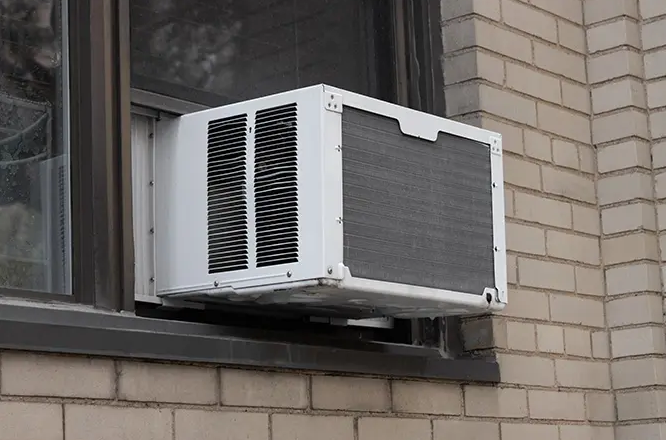
How to install a window AC unit is one of the most common questions homeowners ask when the Florida heat starts kicking in. A window unit can cool a room quickly, but installing it the wrong way can lead to air leaks, poor cooling, or even safety risks.
What’s important: Installing a window AC unit is within reach of many homeowners, but it needs to be done with care. The member will not work as intended if it’s not adequately supported, sealed and energized. That’s why when looking for residential AC repair in Largo, FL, homeowners turn to professionals like Air Mavericks — a family-owned heating and cooling company respected for having honest technicians, upfront pricing and speedy service throughout Pinellas, Hillsborough and Manatee counties.
Key Takeaways
- Installing a window AC unit requires proper measurements, support brackets, and sealing.
- Incorrect installation can lead to poor cooling, water leaks, or safety issues.
- Most window units require two people to install safely due to their weight.
- Professional installation ensures proper airflow, stability, and electrical safety.
- HVAC experts like Air Mavericks can install and service AC systems quickly if you prefer professional help.
Let’s cut to the chase. This guide walks you through precisely how window AC installation works, what tools you need, and when it might be smart to hire the pros instead.
Tools and Materials You’ll Need
Gather everything you require before installation of the unit. Not having a tool halfway through the job can be frustrating.
Common tools include:
- Measuring tape
- Screwdriver or drill
- Level
- Mounting brackets (usually included)
- Foam insulation or weather stripping
- Screws and mounting hardware
- Brace bracket (recommended for big units)
A lot of homeowners have those window ACs that are just heavy. Since some weigh 60–80 lbs or even more, getting a second person to assist with lifting the unit is essential.
Step 1: Measure The Window Opening
Making sure the unit will actually fit in the window is step one when learning how to install a window AC.
Measure:
- Width of the window opening
- Height of the window frame
- Depth of the window sill
Most window air conditioners are tailored to double-hung windows. If your window slides open from the side (casement window), you might need a special type of ac unit.
What you need to do: Measure before you even unbox it, and compare with the manufacturer’s installation guide.
Step 2: Clean Up the Window Area
Remove any obstacles around the window before you lift the results unit.
Check for:
- Dirt or debris in the window track
- Damaged window frames
- Weak or rotting sills
The unit will sit partly on the sill, so a strong window frame is essential.
This also includes any support brackets packaged with the unit. These brackets allow the weight of the AC to spread out and ensure that it does not get tilted inwards.
Step 3: Secure the Mounting Brackets
Mounting brackets: These are a detail that is often overlooked but crucial to stability.
This is what you should do:
- Use the bracket to secure it to the window sill or frame.
- This should however lean down a bit on the outside of the window.
- Be sure screws are tightened so the bracket can hold the weight of the unit.
That slight downward slant lets condensation drain out instead of seeping into your house.
Step 4: Insert the AC Unit into the Window
Here is where most people can use some assistance.
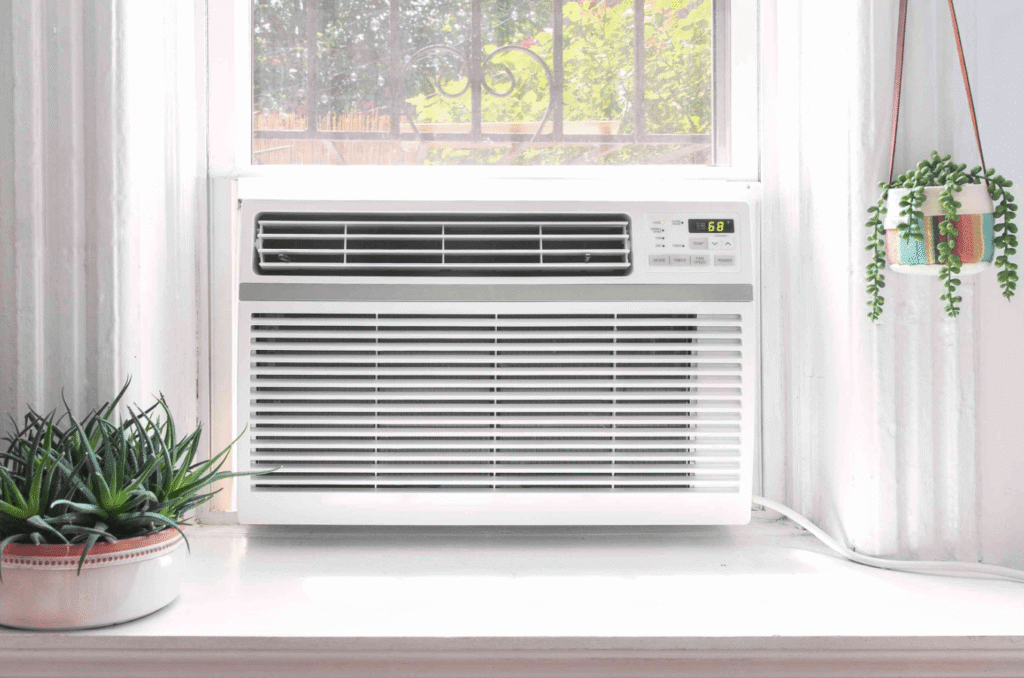
With the help of a friend, carefully set the AC unit on top of the window sill. The bottom rail of the unit must sit securely on the bracket or window sill.
Once positioned:
- Raise the window sash behind the unit
- Keep the unit centered in the frame
- Ensure it stays horizontal or slightly leaning out
This step is rushed by many homeowners, leading to problems with airflow later on.
Step 5: Fasten the Unit to the Window Frame
These typically attach to:
- The top window sash
- The side rails of the unit
- The purpose is to prevent the AC unit from moving or sliding out of the window.
Take your time here. (An installation that is too loose can pose safety hazards, particularly during storms or high winds.)
Step 6: Extension of the Side Panels
- Most window ACs have extendable accordion panels.
- These panels fill the open spaces along both sides of the unit.
- Slide them outward toward the window frame, then fasten with screws.
These panels prevent outside air and bugs from getting into your home.
Step 7: Fill Any Crevices And Insulate
And even if the unit fits well, small gaps between it and the window frame can diminish cooling efficiency.
This is what you should do:
- Use foam weather stripping between the window sash and frame
- Sealing any visible gaps on the sides panels
- If advised to, put insulation on top of the AC unit
Proper sealing helps to keep the cold air inside and hot air outside.
Step 8: Test the AC Unit (Plug It In)
When all is secure, connect the unit to a dedicated outlet.
Avoid using extension cords. Most window air conditioners need a grounded outlet that can handle the electrical load.
Turn on the unit and test:
- Cooling mode
- Fan speed settings
- Airflow direction
If everything functions correctly, you’ve completed the process.
But if you notice weird vibrations, loud sounds or weak airflow, the installation may need tweaking.
Common Mistakes Homeowners Make
Small mistakes are what cause many DIY installations to hit snags.
Which of the following is the most common?
Skipping the Support Bracket
The unit can move or fall without having proper support.
Poor Sealing
Spaces around the A.C. let warm air in, causing the system to work extra hard.
Incorrect Tilt
If it tilts inward, condensation may drip into your house.
Electrical Overload
The AC can trip breakers if plugged into overloaded circuits.
This is precisely the reason many homeowners opt for the professional HVAC services rather than attempting installation themselves.
When Professional Installation Makes Sense
Learning to install a window AC unit is helpful, but not every installation is simple.
If you meet any of the following criteria, you might consider seeking professional help:
- The AC unit is large or heavy
- Your window frame is old or broken
- Electrical upgrades are needed
- You want maximum cooling efficiency
- That’s where seasoned technicians can assist.
Air Mavericks is a Largo, FL based company that offers advanced and professional Air Conditioning equipment installation and maintenance with the help of experienced technicians. From residential AC repairs to full system installations, their staff keeps homes comfortable in Florida’s hottest months.
They are a good choice for homeowners who want the job done right as they also provide same-day service, Saturday appointments, and a satisfaction guarantee.
Conclusion
Learning how to install a window AC unit can help homeowners beat the heat on hot, humid days, but proper installation is vital. This is hard work, using all the tools required to measure the window and installing support brackets, sealing any gaps and testing the unit before you have completed.
The upshot: If you’re comfortable with basic tools, and have assistance lifting the unit, a do-it-yourself installation can be done. But if you want the reassurance of professional service, calling an HVAC expert is usually the better way to go.
Whether you require AC install, repair or maintenance services in Largo and other areas, Air Mavericks provide reliable services with experienced technicians and upfront pricing.
If you want reliable cooling without the installation hassle, contact Air Mavericks today to schedule professional AC installation or service.
Frequently Asked Questions
How long does it take to install a window AC unit?
Most installations take about 30 minutes to an hour, depending on the unit size and window type.
Can one person install a window AC unit?
Small units can sometimes be installed alone, but most models are heavy enough that two people are recommended for safety.
Do window AC units need to tilt outward?
Yes. A slight outward tilt allows condensation to drain outside instead of leaking indoors.
Can you install a window AC without drilling?
Some models allow minimal drilling, but most require screws to secure the unit safely in place.
Are window AC units energy efficient?
Modern window AC units can be efficient for cooling single rooms, especially when properly installed and sealed.