

No one wants to think about breathing in contaminated air inside their home, yet indoor air pollutants and air quality is something that homeowners deal with every day. While some air pollutants are harmless, some contaminants can cause serious health problems, which is why it is critical that homeowners take necessary precautions to improve the indoor air quality of their home from these most common indoor pollutants.
Here are 5 of the most common indoor air pollutants that can be found in your home:
- Radon – This radioactive gas enters your house from the ground, cracks in walls and flooring, fireplaces, and exterior ventilation, and is naturally generated. It is an odorless, tasteless, and colorless gas that is the 2nd leading cause of lung cancer in the US. Radon has to be ventilated to prevent buildup in the air in your home. An HVAC professional can easily perform tests to detect radon in the home, and there are excellent and relatively inexpensive ways to treat the home where radon concentrations are elevated.
- VOCs – TVolatile organic compounds, commonly known as VOCs are emissions from everyday items in your home, such as paint, carpets, pesticides, gasoline from the garage – even hairspray and cooking in your home! (think fried foods or cookies baking). While most of these air pollutants are just nuisances, some of these substances (like formaldehyde) can pose a health risk to your indoor environment.
- Biological Particulates – No one wants to think about inhaling an insect leg in the middle of the night – but it happens! But Insects are only one type of biological air contaminant or particle pollution in the home. The Environmental Protection Agency (EPA) has a fairly long list of indoor air contaminants, including:
- Pet hair and dander
- Dried rodent urine and feces
- Mildew spores
- Mold
- Viruses
- Bacteria
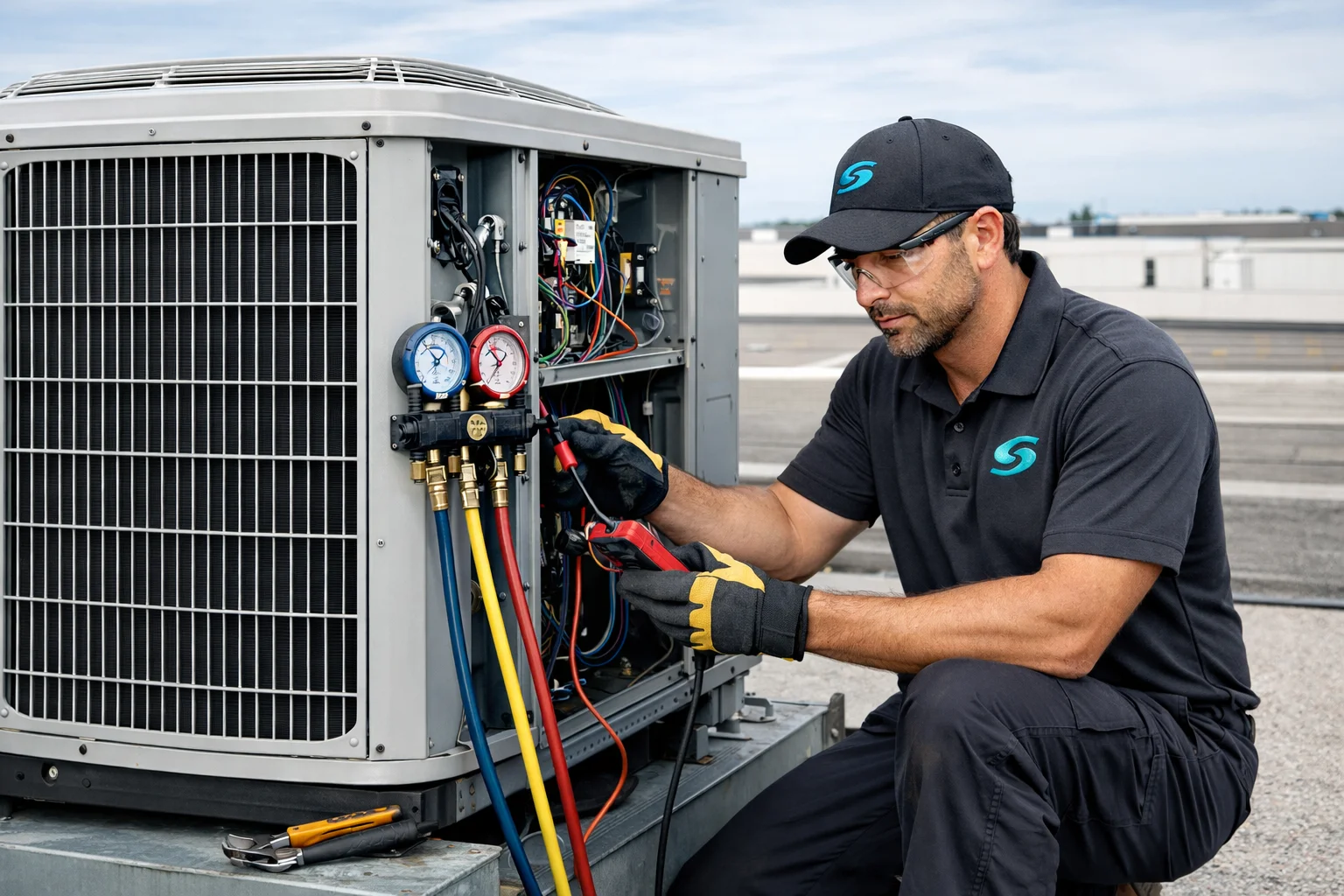
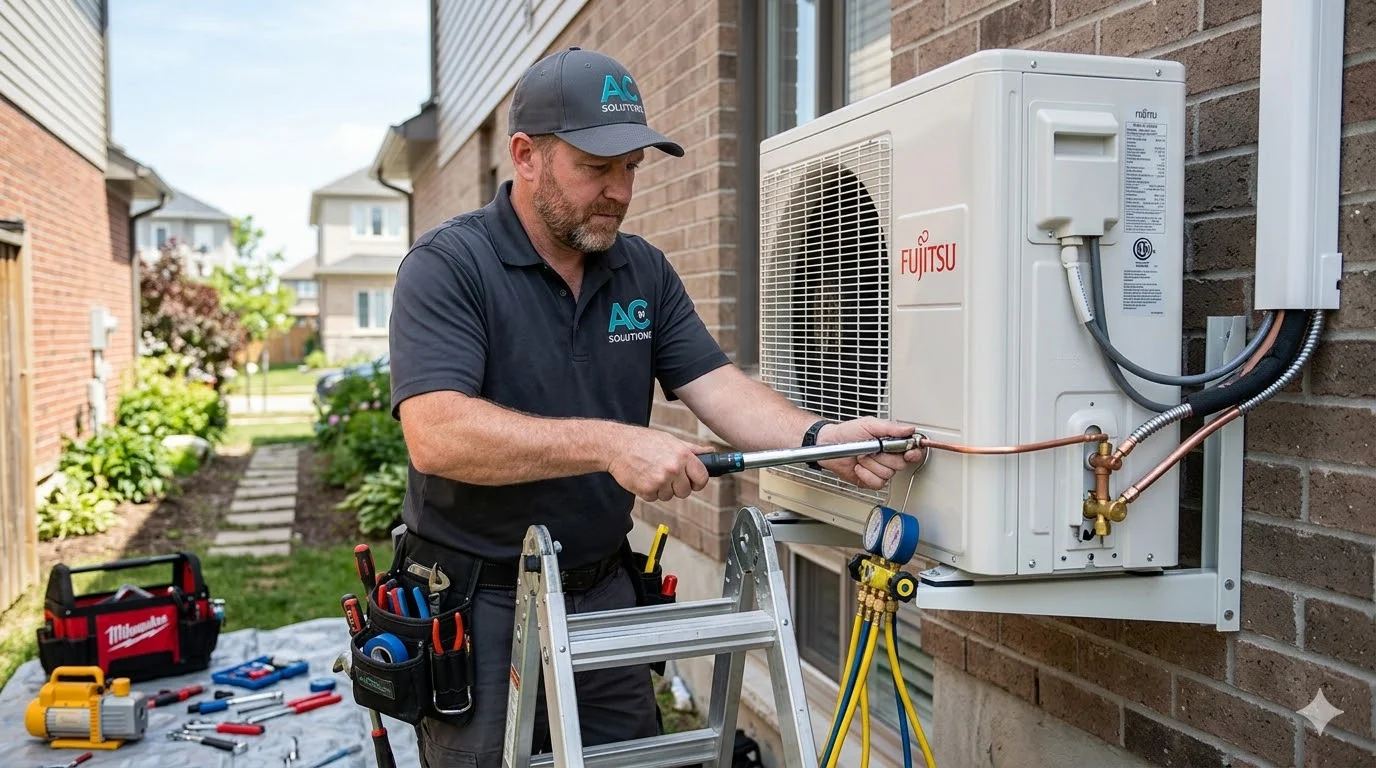
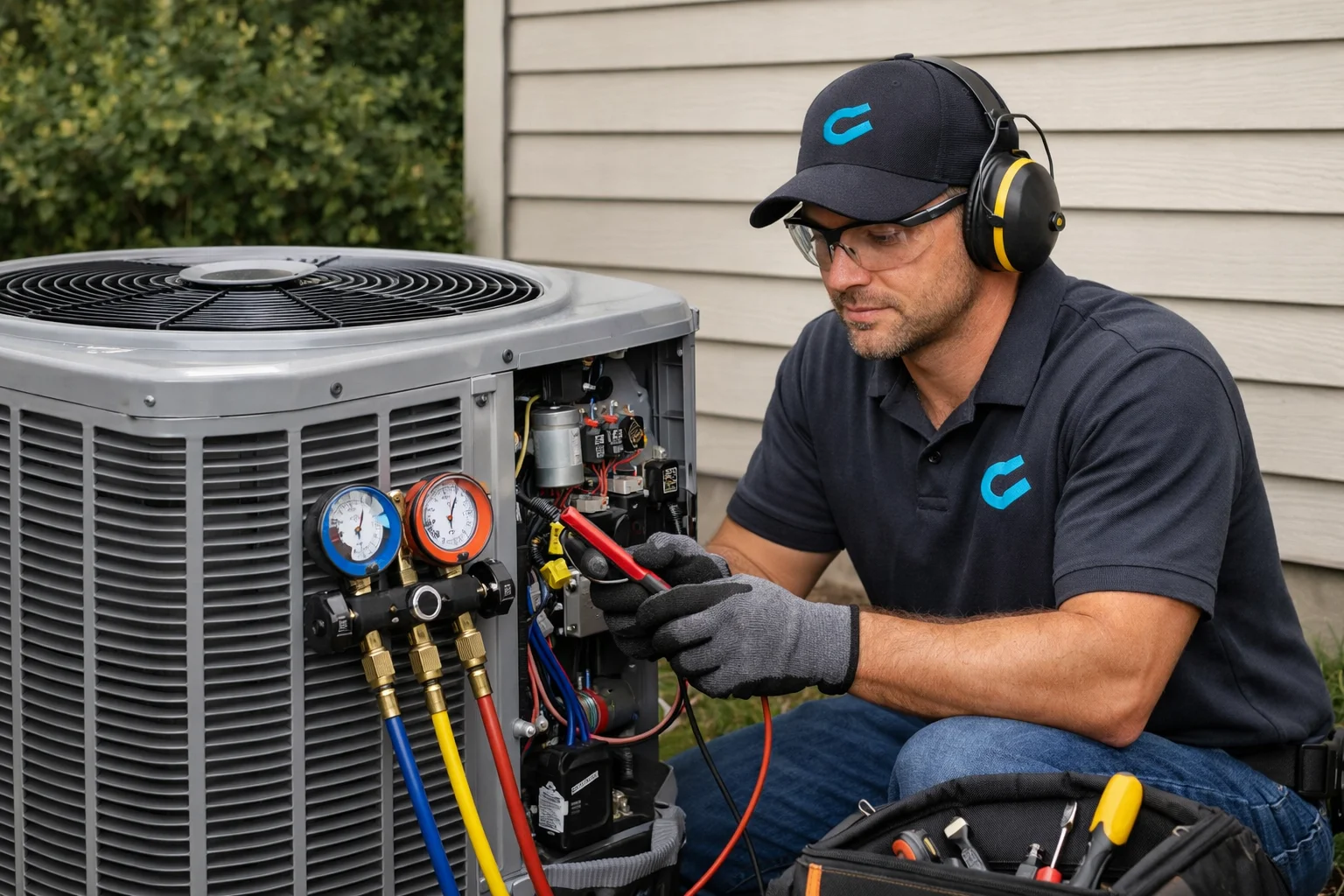
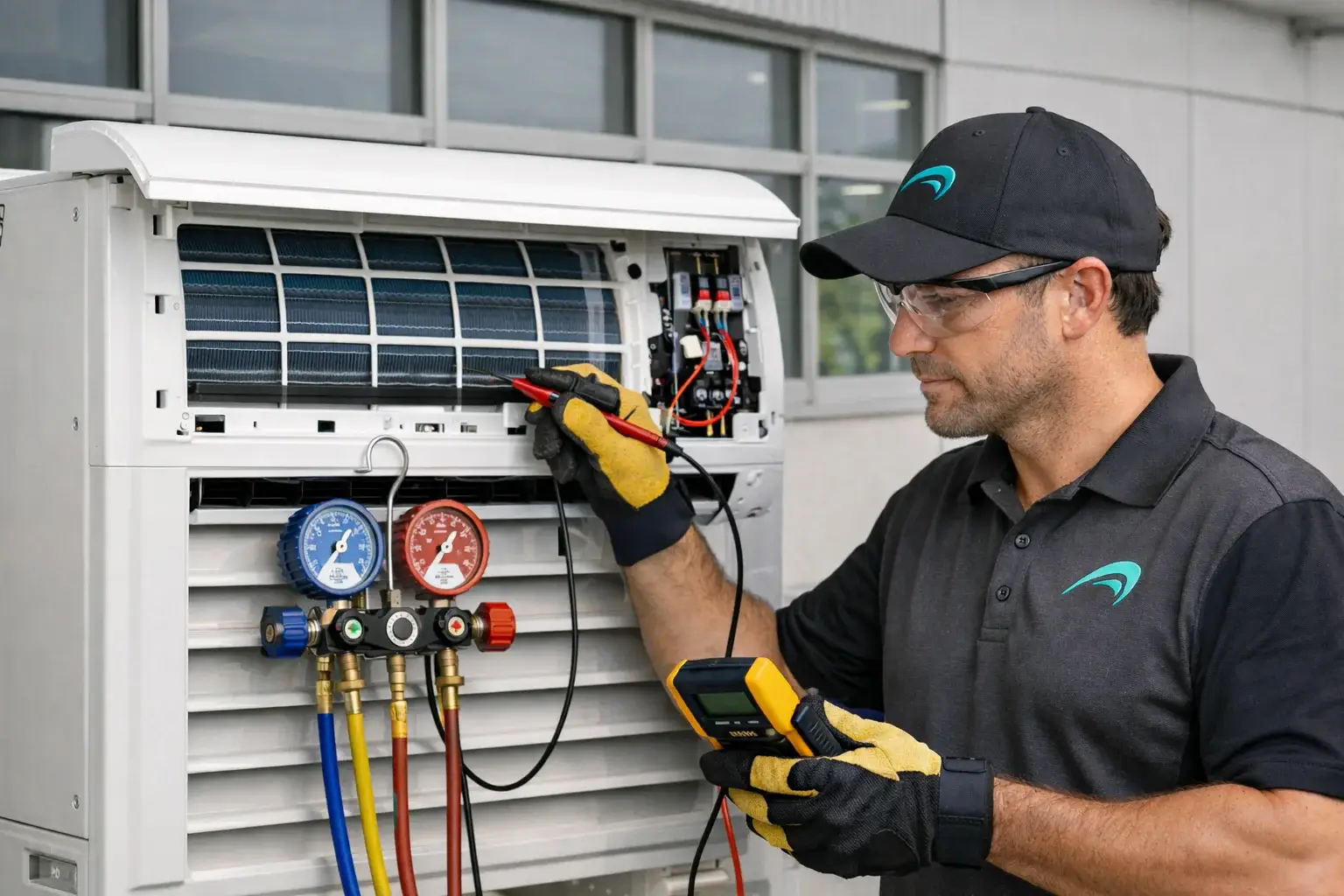
Having services performed such as having your air ducts cleaned and sanitized by a licensed HVAC professional such as Air Mavericks can greatly reduce and remove these airborne contaminants and improve the indoor air quality in your home. Having the ductwork of your home cleaned will ensure you are breathing cleaner air.
- Excess Moisture – Indoor moisture is one of the least recognized but most important indoor pollutants, especially in humid climates like Florida where the warm, moist air encounters cool services like windows and walls within an air conditioned space. When that moisture collects, it becomes a breeding ground for mold, mildew, and dust mites. These pollutants can cause allergies, worsen asthma symptoms, and can cause damage to furniture and other components of your home’s structure. High indoor moisture can also induce “off gassing” of additional toxins within furniture and cleaning products. In addition to all of this, excess humidity in the home can make an uncomfortable clammy feel within the home.
- Lead – Even though lead based paint was banned in 1977, most homes built prior to 1978 (the EPA suggests there are millions) still contain some form of lead paint. Many homeowners expose themselves to lead unknowingly through scraping paint, old air conditioning ducts, and home renovations. Even without making home improvements, lead based paint can deteriorate and create dust that blows through your AC ducts and creates exposure. The adverse health effects of lead in the blood are now being known to occur in levels much lower than previously thought. Taking safety precautions such as those in the EPA’s Safety Field Guide when renovating your home and having your air ducts cleaned by a licensed HVAC professional can help improve the indoor lead contamination and improve your indoor air quality.