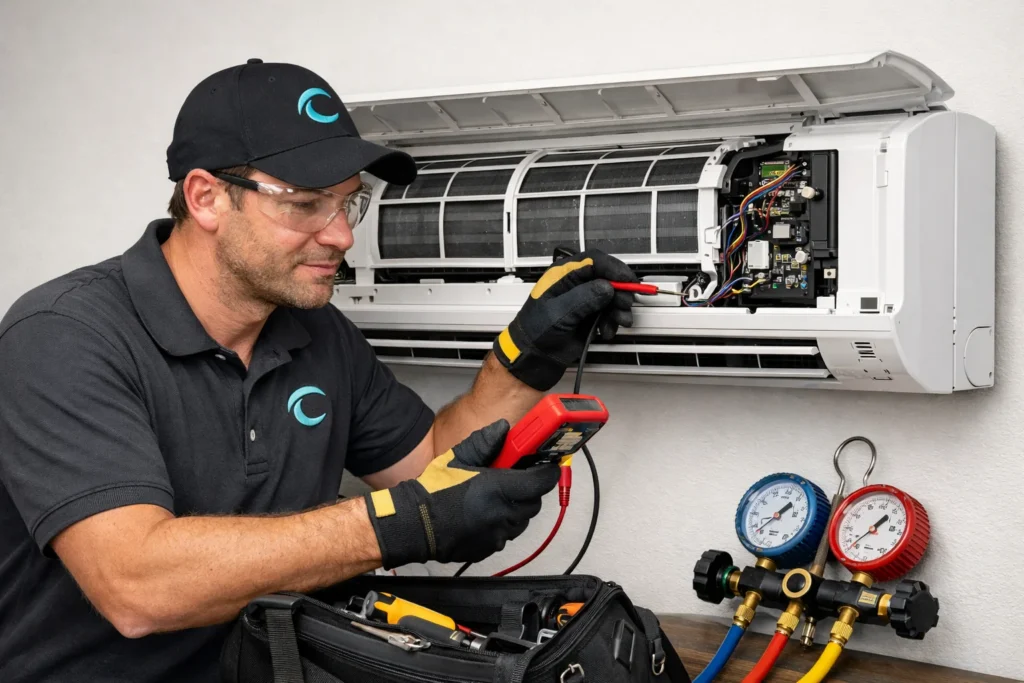
HVAC repair in Largo, FL is often the first solution homeowners consider when their air conditioner stops cooling or starts making unusual noises. Air Mavericks helps homeowners evaluate whether repairing an existing unit or investing in a full replacement makes better financial and comfort sense. Understanding the difference between short-term fixes and long-term upgrades can protect your budget, improve efficiency, and restore dependable cooling in Florida’s demanding climate.
Key Takeaways
- Minor issues can often be resolved with targeted repairs
- Older systems may cost more to maintain than replace
- Energy efficiency plays a major role in long-term savings
- Frequent breakdowns signal deeper mechanical concerns
- Professional evaluation prevents costly misjudgments
HVAC Repair in Largo, FL vs Full System Replacement: What’s the Real Difference?
When your system struggles to cool your home, the decision usually comes down to repairing the issue or replacing the equipment entirely. Each option has its place depending on age, condition, and overall efficiency.
HVAC Repair
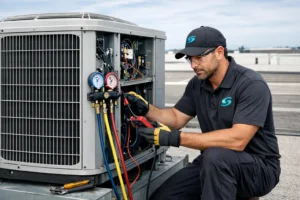
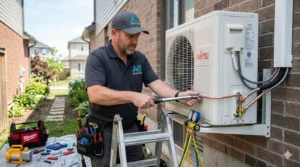
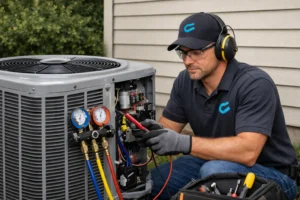
Repairs focus on restoring function to specific components. This may involve replacing capacitors, fixing refrigerant leaks, repairing electrical connections, or replacing blower motors.
Repairs are ideal when:
- The system is under 10 years old
- Breakdowns are isolated and infrequent
- Repair costs are significantly lower than replacement
- The unit still operates efficiently overall
HVAC Replacement
Replacement involves removing the old system and installing new indoor and outdoor units. It’s typically recommended when major components fail or efficiency declines dramatically.
Replacement makes sense when:
- The system is 12–15 years old or older
- Repair costs exceed 40–50% of new system value
- Utility bills continue rising
- Breakdowns happen repeatedly
In Largo’s climate, long cooling seasons can accelerate wear, so system age becomes a major factor in deciding between repair and replacement.
When Does HVAC Repair Make More Financial Sense?
For many homeowners, HVAC repair in Largo, FL is the more practical and affordable solution—especially when problems are minor or caught early.
Situations where repair is often the smarter option include:
- Thermostat Malfunctions
Incorrect readings or faulty wiring can mimic larger system issues. - Capacitor or Contactor Failure
These electrical components are common wear items and relatively inexpensive to replace. - Refrigerant Recharge (Without Major Leaks)
If refrigerant levels are slightly low but no major leak exists, repairs can restore performance quickly. - Clogged Drain Lines or Dirty Coils
Maintenance-related issues can often be resolved without major expense.
If your unit still cools effectively and has several years of life remaining, repairing it can extend its performance without the upfront investment of replacement.
When Is Replacement the Smarter Long-Term Investment?
While repairs can solve immediate issues, replacement may provide better value when systems become inefficient or unreliable.
Signs that replacement may be the better choice:
- Frequent Service Calls
If repairs happen multiple times per year, costs add up quickly. - Rising Energy Bills
Older systems lose efficiency over time, consuming more electricity to produce the same output. - Major Component Failure
Compressor replacement, for example, can approach half the cost of a new system. - Outdated Refrigerant (R-22 Systems)
Older refrigerants are expensive and being phased out, making repairs more costly.
In Florida’s heat, dependable cooling is not optional. A new system often provides improved humidity control, quieter operation, and lower operating costs.
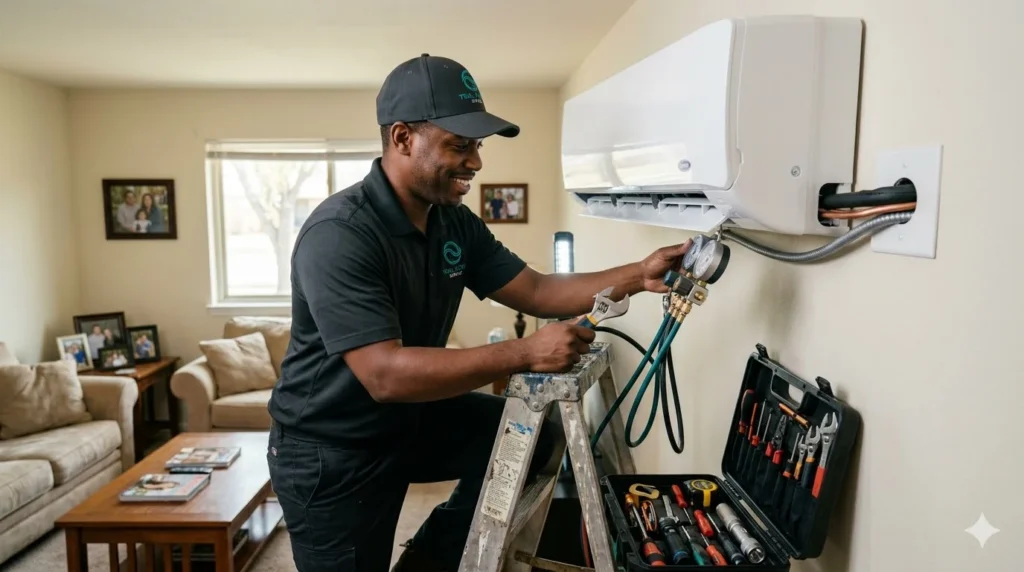
What Role Does System Age Play in the Decision?
Age is often the most reliable indicator when deciding between repair and replacement.
Most HVAC systems last 12 to 15 years with proper maintenance. Beyond that, mechanical wear increases and efficiency declines.
Consider these general guidelines:
- Under 8 years old → Repair is usually recommended
- 8–12 years old → Depends on repair cost and condition
- Over 12 years old → Replacement often more cost-effective
In Largo’s humid climate, systems work harder than in milder regions. That continuous strain shortens lifespan, making professional evaluation essential before committing to repeated repairs.
When homeowners request HVAC repair in Largo, FL, technicians typically assess system age, maintenance history, and overall performance before recommending next steps.
Conclusion
Choosing between repair and replacement depends on system age, efficiency, and long-term cost considerations. A quick fix may restore cooling temporarily, but repeated breakdowns can become expensive. Evaluating both options carefully ensures you make the right financial decision for your home.
If you’re unsure whether to repair or replace, call Air Mavericks at (727) 334-7108 for an expert assessment. Their experienced team will help you determine whether HVAC repair in Largo, FL is the smarter move or if upgrading your system offers greater long-term value.
Frequently Asked Questions
Q: Is it cheaper to repair or replace an HVAC system?
A: Repairing is typically cheaper upfront, especially for minor issues. However, if repair costs approach half the price of replacement or breakdowns occur frequently, replacing the system may save more money long term by reducing energy and maintenance expenses.
Q: How do I know if my compressor is failing?
A: Signs include loud noises, reduced cooling, and the outdoor unit not turning on. Compressor replacement can be costly, so homeowners should compare repair costs against the age of the system before deciding whether to replace the unit entirely.
Q: Will replacing my HVAC system increase home value?
A: Yes, a new system can increase property appeal and market value. Buyers appreciate energy-efficient equipment with active warranties. In competitive markets like Largo, upgraded HVAC systems can improve resale potential and inspection results.
Q: How long should I wait before replacing an older system?
A: If your system is over 12 years old and requires frequent repairs, it may be time to consider replacement. Waiting too long can result in emergency breakdowns during peak summer heat, when demand and installation scheduling increase significantly.
Q: Can regular maintenance reduce the need for repairs?
A: Routine maintenance helps identify minor issues early and keeps systems operating efficiently. Annual inspections, filter changes, and coil cleaning reduce strain on components, lowering the likelihood of major repairs and extending equipment lifespan.